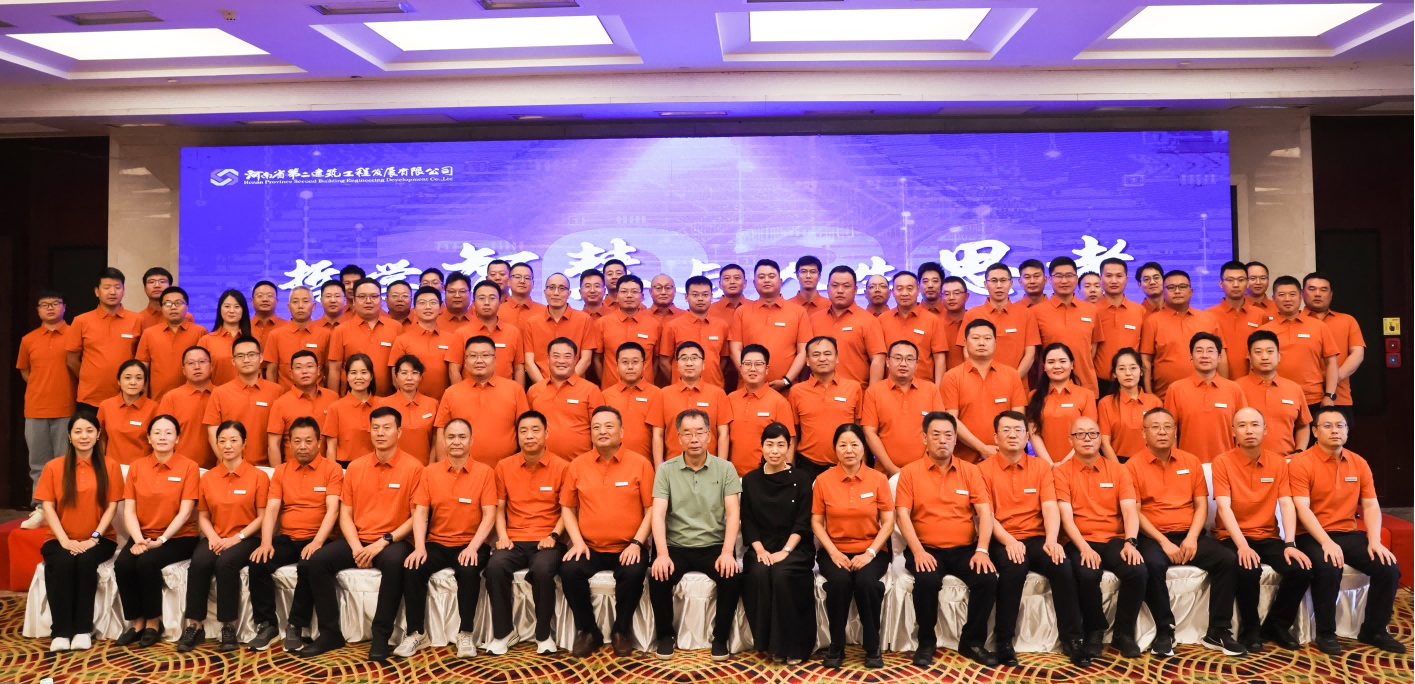
To further hone the critical thinking skills, mental outlook, and overall competence of mid-to-senior management personnel, break free from entrenched cognitive limitations, and empower corporate management, team building, and project execution through scientific thinking, the company recently invited Mr.Guo Chunlin to conduct a specialized training session titled "Philosophical Wisdom and Life Reflections." All mid-level managers and key project management personnel participated in this training, drawing upon philosophical insights through deep reflection, reshaping their cognitive frameworks, and building a shared vision for organizational development.
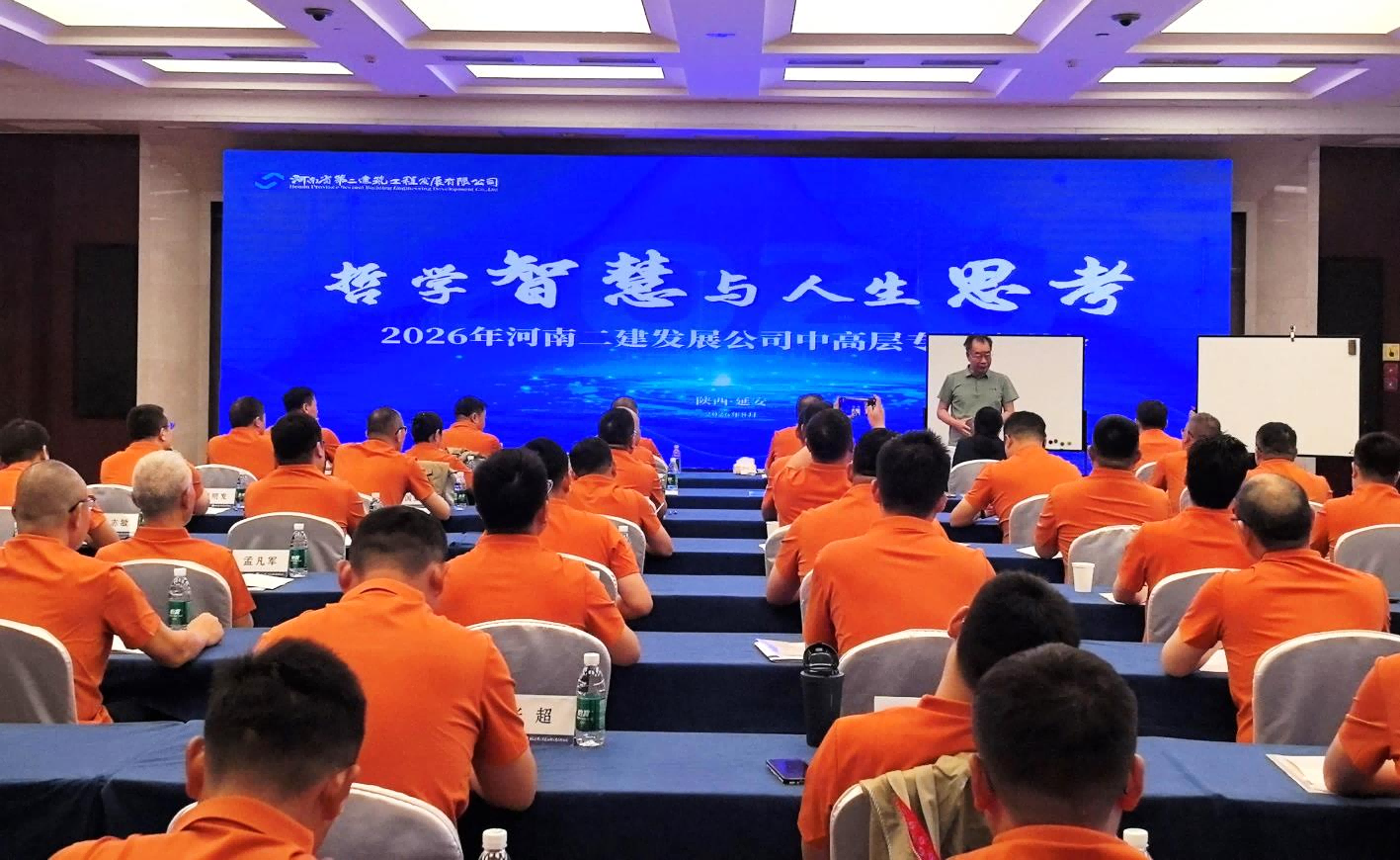
This training program centers on the idea that philosophy serves as the foundational logic underpinning both life and management. Moving beyond the traditional lecture-based approach, it integrates the essence of ancient and contemporary philosophy, the critical thinking wisdom of both Eastern and Western traditions, the patterns of modern societal development, and real-world corporate management practices. Through a progressive, yet accessible methodology, the program delves into the core principles of mental growth, cognitive elevation, mindset reconstruction, and the empowering role of the modern era. At the outset, the course emphasizes that personal growth and professional development depend on a positive attitude toward life, a long-term perspective on trends, and a team-oriented mindset focused on collaboration and mutual benefit. Only through continuous self-improvement and the establishment of a systematic thinking framework can individuals break through growth bottlenecks and achieve sustainable advancement.
During the training session, Mr.Guo Chunlin focused on elucidating the core concept that "cognition determines one's life potential," emphasizing that cognition is a comprehensive reflection of an individual's worldview, values, and decisiveness; the disparities between individuals or between projects are, at their core, disparities in the cognitive dimension. Centered on the theme of mental restructuring, the instructor provided detailed, practical guidance on optimizing information intake, innovating thinking patterns, adjusting judgment logic, reshaping emotional cognition, and transforming role perceptions, helping participants break free from rigid cognitive frameworks and abandon habitual thinking patterns. Furthermore, drawing upon the overarching trends of the digital intelligence era, the instructor analyzed the social transformations of the new era, technological advancements, public welfare demands, and national policy directions, urging managers to leverage the context of the times to identify development opportunities and act proactively in alignment with these evolving trends.
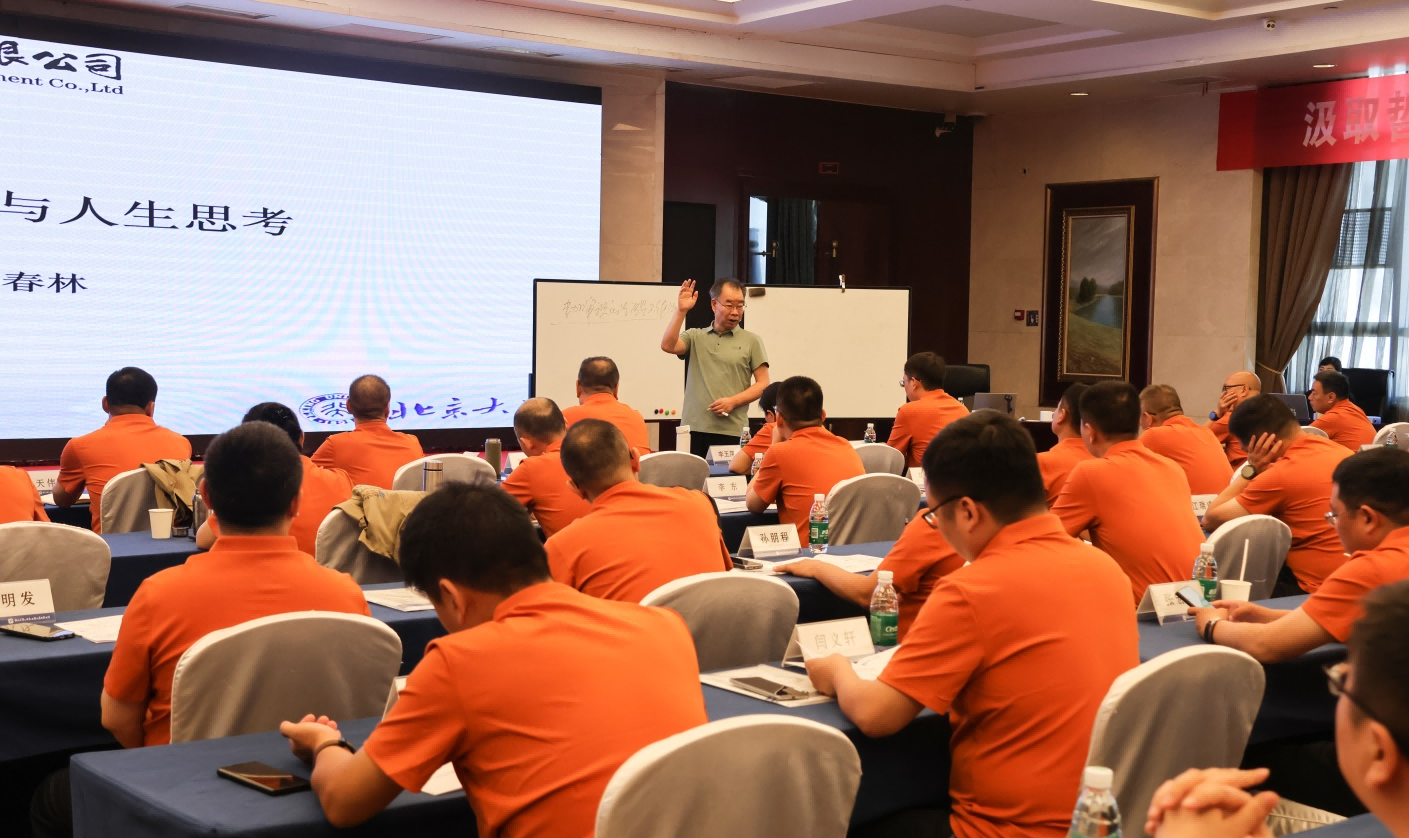
This course seamlessly integrates corporate operations with real-world project management practices, providing a systematic interpretation of the three core methodologies of philosophical thinking—conceptual clarification, setting judgments, and system construction. Through classic case studies—including Aristotle's four-dimensional questioning framework, Confucian and Buddhist philosophical perspectives, Wittgenstein's speculative theory, and Zeng Guofan's wisdom in personnel assessment—alongside practical application scenarios such as power engineering project execution, project system governance and control, team element coordination, and redundancy-based risk prevention and control, the course vividly demonstrates the practical value of systems thinking in project management and effectively addresses cognitive blind spots and operational challenges encountered in daily management. Additionally, the course examines the cultural differences between East and West as well as the fundamental nature of human goodness and evil, delves into the underlying logic of management science and economics, breaks down the appropriate application contexts for institutional management, cultural management, and performance management, and elucidates the core management principle that "there is no single' optimal' management approach, only management approaches that are well-suited to specific contexts," thereby offering innovative insights for companies pursuing refined and scientifically grounded management practices.
Furthermore, the training program features in-depth discussions on cultivating an independent personality, nurturing a sense of national and familial commitment, and fostering multidimensional personal growth. It explores the core essence of an independent personality from two dimensions—material independence and spiritual independence—while emphasizing the vital importance of steadfast faith, patriotic responsibility, and future-oriented thinking for both individual development and organizational growth.
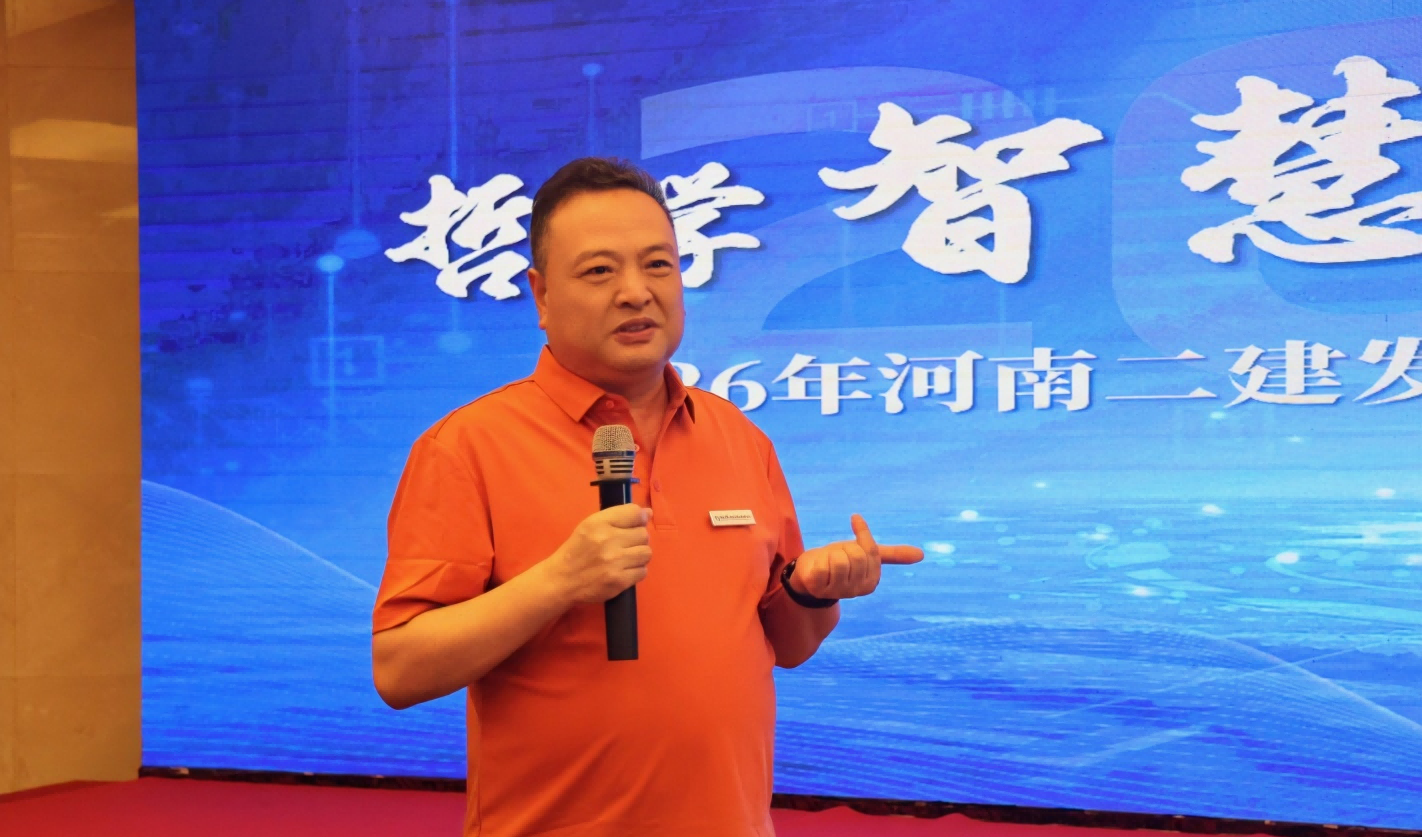
Finally, Chairman Zhao Shifu delivered a concluding speech for the training session, emphasizing that this program served as both an opportunity for strategic thinking and personal reflection, guiding participants to develop sound ways of thinking and continuously refine their worldview, outlook on life, and values. He noted that management work hinges on role transition and empathetic perspective-taking, requiring the seamless integration of theoretical knowledge with both professional and personal life. Mr.Guo's lecture was meticulously structured with profound content analysis, providing the attendees with substantial insights and immense benefit. He encouraged all employees to apply what they had learned in practice, integrating the philosophical reasoning and systems thinking acquired during the training into their daily management activities, and to diligently fulfill their duties and take proactive responsibility at their respective posts, thereby collectively contributing to the high-quality development of the enterprise.

 WeChat