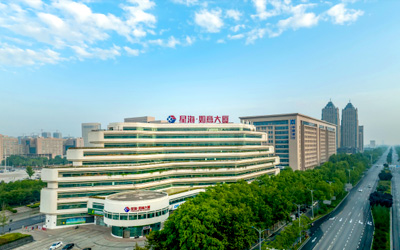
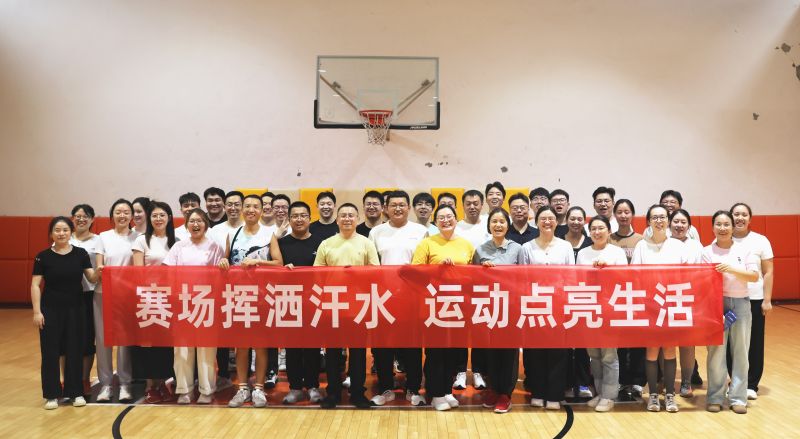
On August 17–18, Henan No.2 Construction Engineering Development Co., Ltd. hosted an on-site observation session alongside the 2026 Mid-Year Management Meeting at the Gansu Nenghua Qingyang 2×660 MW Coal-Fired Power Project. During the meeting, the company also convened the Second Meeting of the 2026 Work Safety Committee, a briefing and implementation session on the compensation system reform, and a special meeting on final account settlement. Company executives, department heads, project managers, and key technical management personnel gathered at the project site to exchange management experiences by benchmarking against exemplary projects, review the current operational and safety landscape, discuss measures to enhance efficiency in final account settlement, communicate the direction of the compensation system reform, and coordinate the deployment of key tasks for the second half of the year, all aimed at driving overall improvement and efficiency across the company's management operations.
On-site observation sessions: drawing on advanced best practices and benchmarking to enhance construction capabilities – On-site Observation Meeting
The Gansu Energy and Chemical Industry Group's Qingyang 2×660 MW Coal-Fired Power Project is a key energy infrastructure initiative under Gansu Province's 14th Five-Year Plan and serves as the core project for the integrated coal-power operation at the Jiulongchuan Coal Mine in the Longdong region. Located in a Grade IV self-weight collapsible loess area with complex geological conditions, the project faced multiple challenges during its preliminary construction phase, including narrow access roads, delayed temporary construction permits, significant difficulties in local coordination, and frequent extreme rainfall events. The project's quality objectives were to ensure it would be recognized as a high-quality China Electric Power Engineering project and to strive for the Luban Prize, involving stringent construction standards and demanding task execution. Since the pouring of the first batch of concrete into the main powerhouse on June 19,2025, the project team has overcome these challenges by adhering to the construction philosophy of "high-standard commencement and high-standard zero-meter completion," implementing the construction logic of "deep excavation first, then shallow excavation; segmented interruption; and simultaneous intensive effort on critical paths," and innovatively advancing the layered construction method through an iterative upgrade from version 1.0 to version 2.0. As of August 2026, all 26 key milestones have been completed on schedule, with several critical milestones delivered ahead of schedule. The project successfully achieved major milestones—including the high-standard zero-meter completion of the main powerhouse, the water supply cutoff for the turbine house roof, and the topping out of the chimney outer cylinder wall—earning high praise from the client and the general contractor.
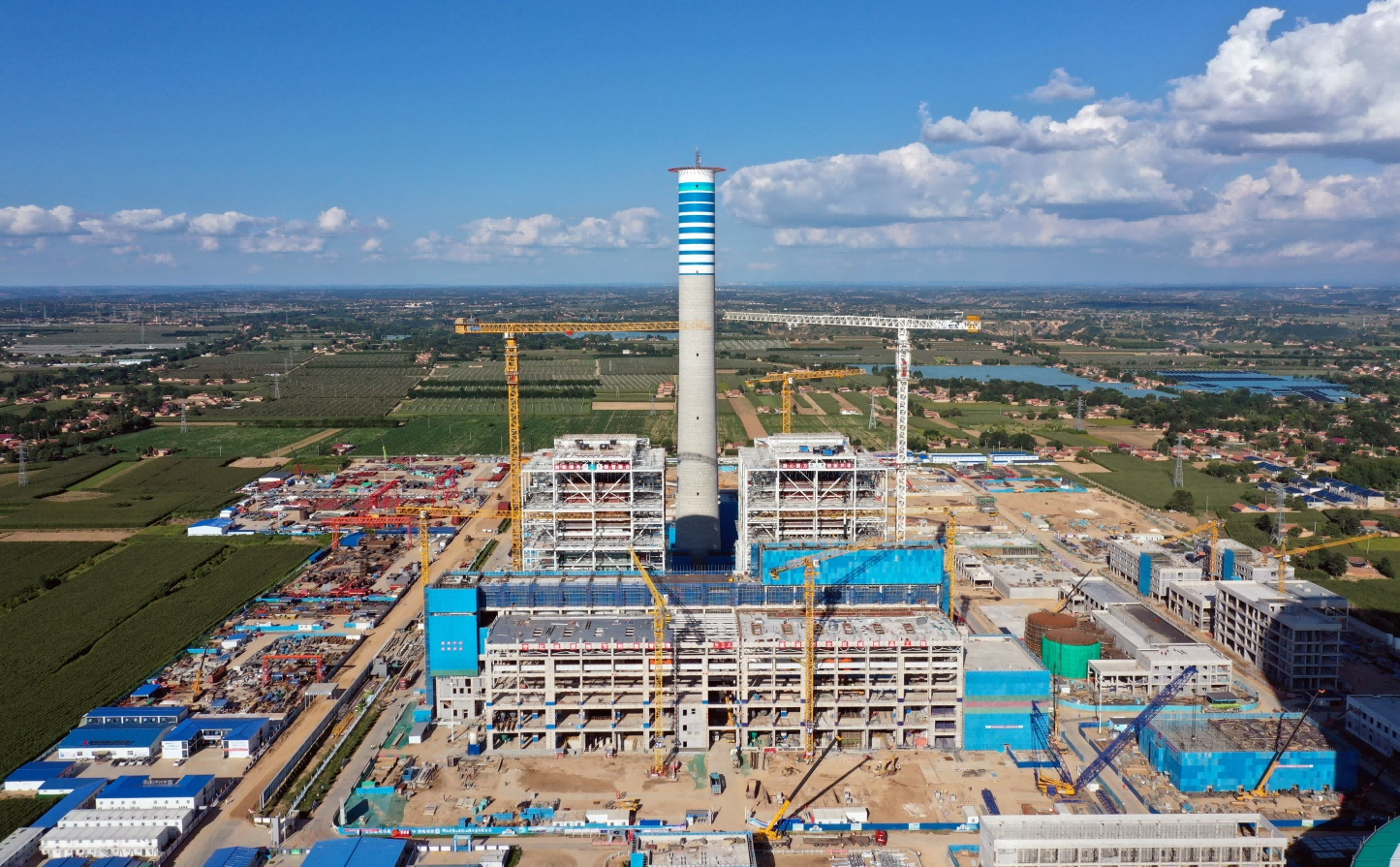
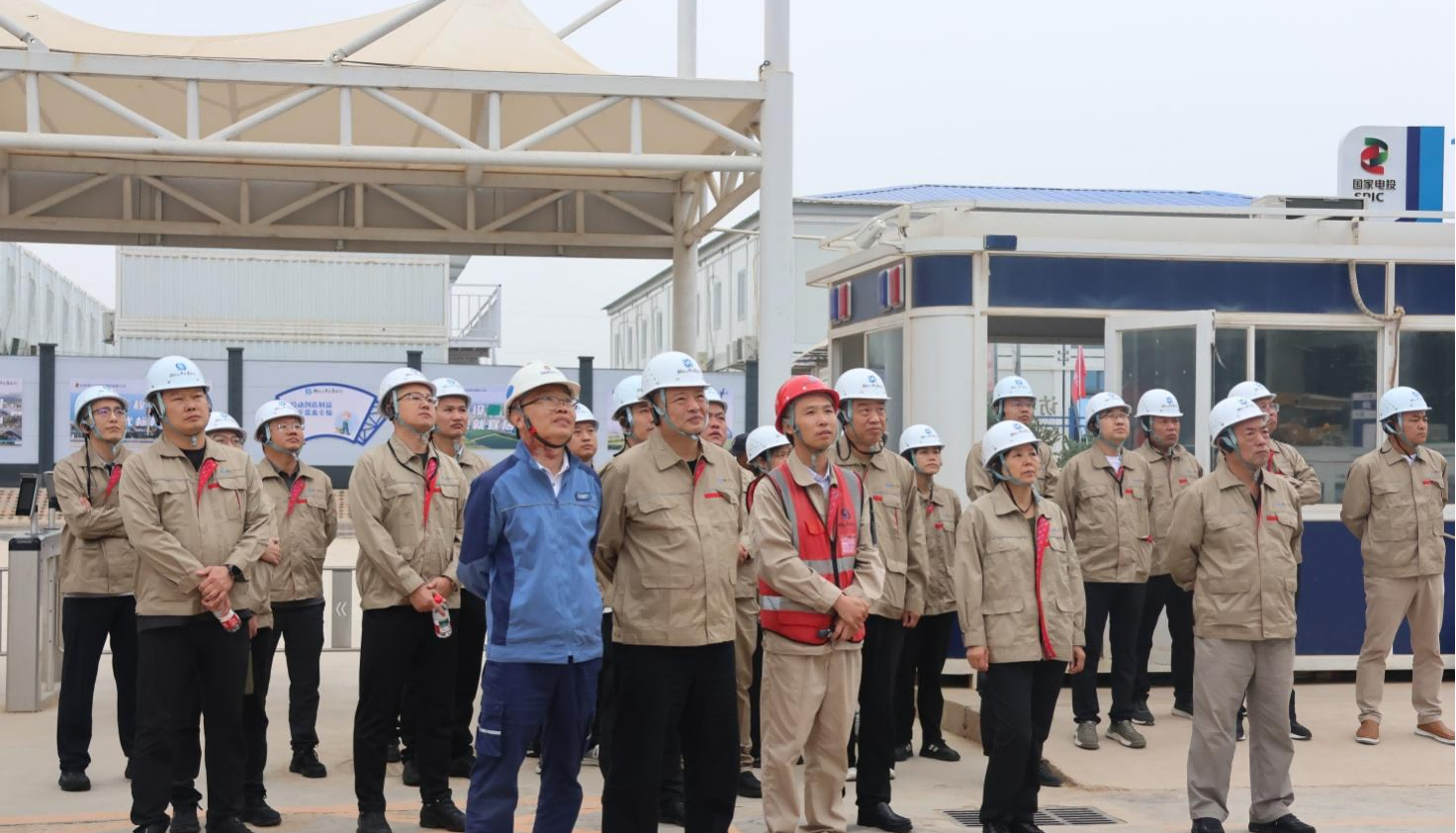
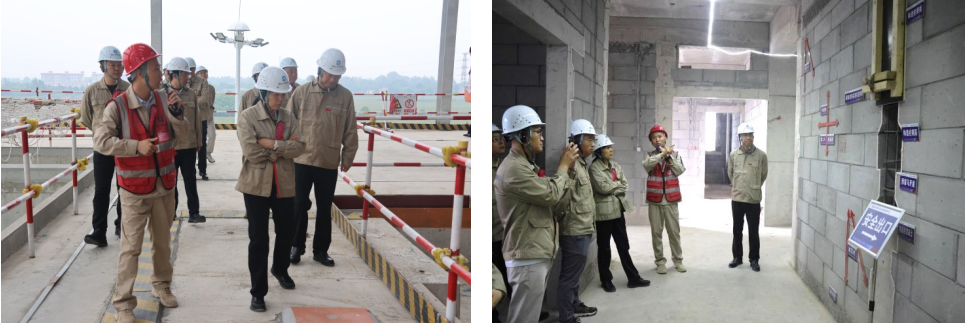
During the field visit, the participants toured various areas—including the main plant construction zone, the physical quality sample display area, and the chimney construction zone—to observe on-site the tangible outcomes of the project, such as the construction of irregular-shaped exposed concrete columns, the chimney cylinder wall fabrication techniques, and the implementation of standardized safety and site management practices. Project Manager Niu Yanbin shared his insights into the entire project lifecycle, focusing on the technical measures adopted to overcome construction challenges associated with collapsible loess, the "Sample-First, Sign-Board Acceptance, Three-Level Briefing, and Multi-Level Acceptance" quality control system, the "Layered Construction 2.0" three-dimensional collaborative work mode, and the practical implementation of the "Dual-Track Simultaneous Execution" intrinsic safety management system. As they walked through the site, observed the construction processes, and engaged in discussions, the participants held in-depth exchanges on topics including geological treatment, work sequence organization, quality excellence initiatives, safety management, and cost reduction and efficiency improvement. They also compared their own projects against industry benchmarks to identify gaps in their project management practices and absorbed practical, replicable, and scalable management experiences.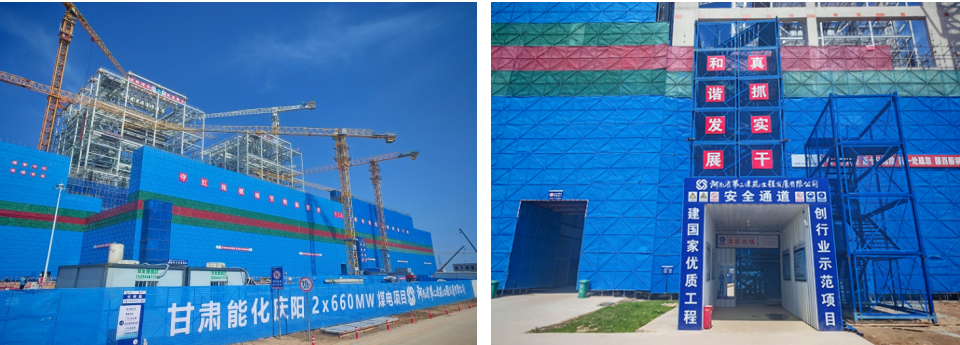
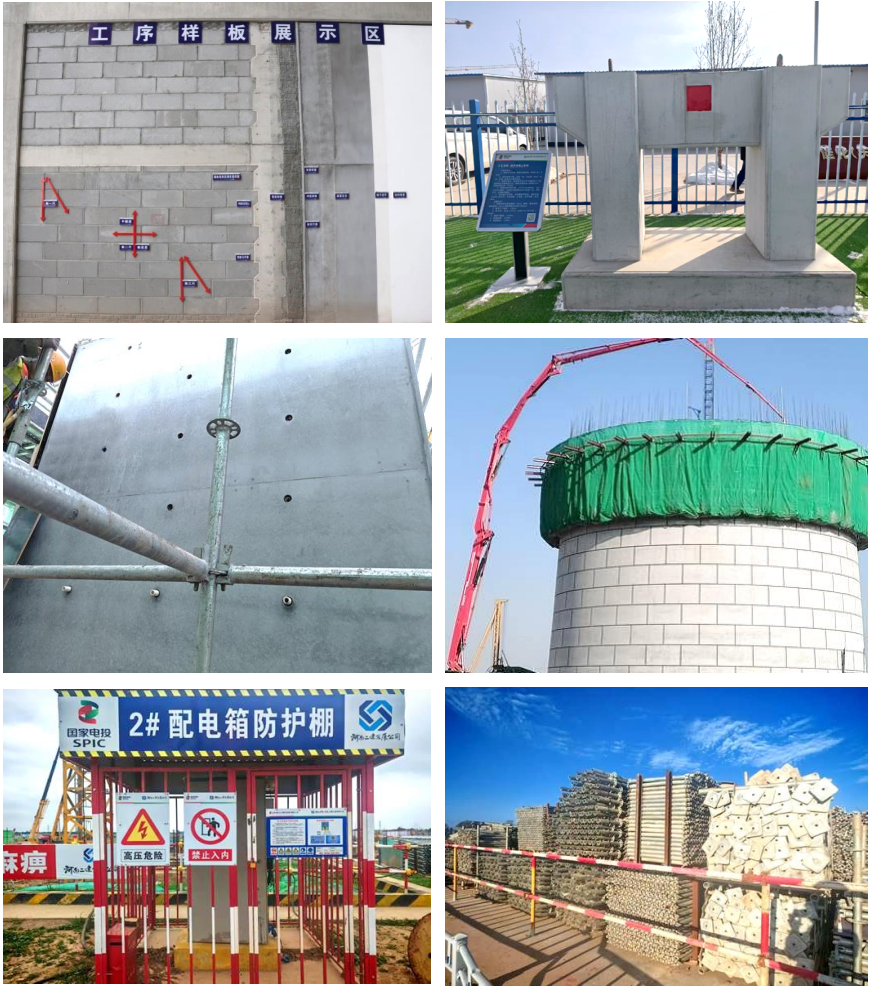
On-site refined management achievements
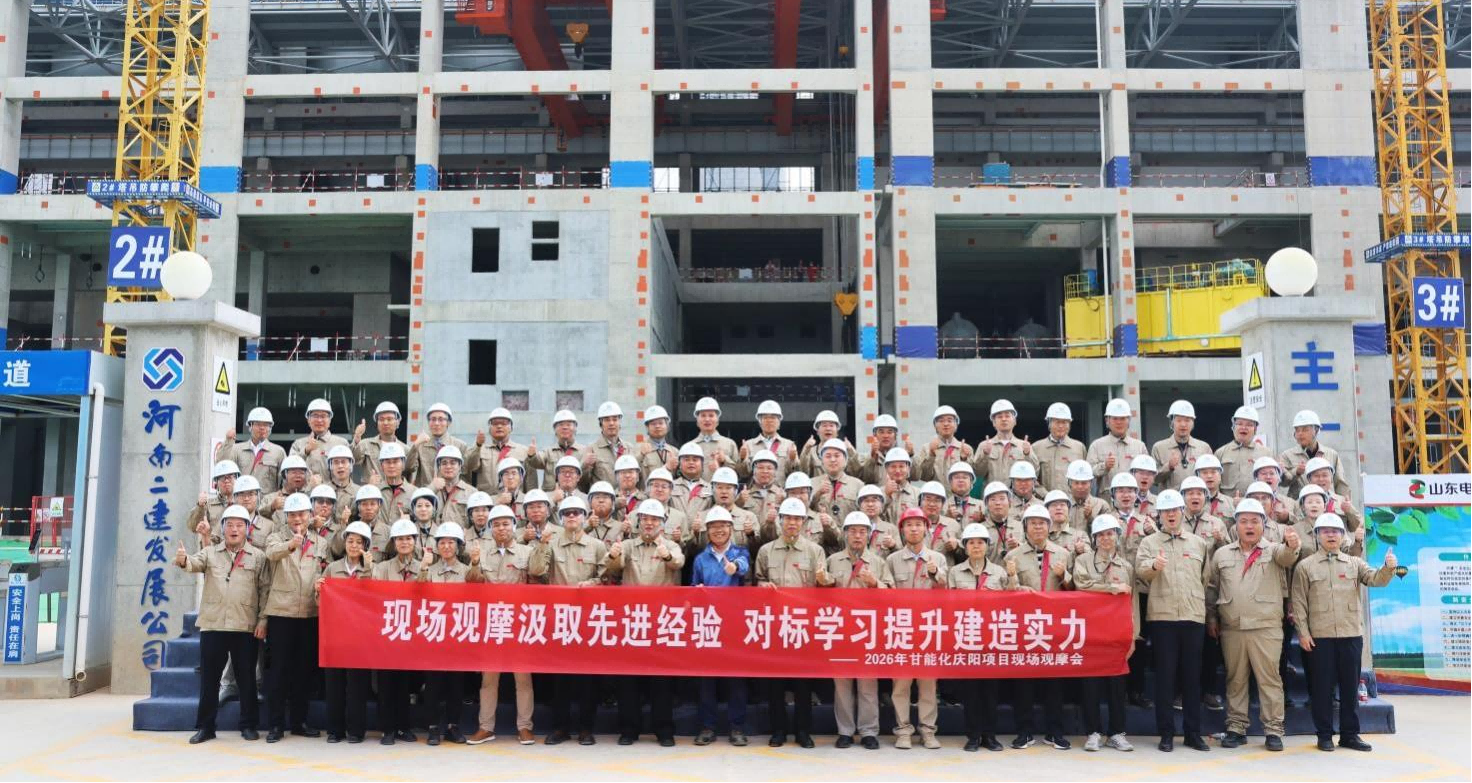
Deepening internal management capabilities and driving comprehensive market expansion across both domestic and international markets – Mid-Year Management Meeting
Following the observation session, the 2026 Mid-Year Management Meeting was formally convened, and the meeting proceeded in an orderly manner in strict accordance with the predetermined agenda. During the meeting, four project managers delivered thematic experience-sharing presentations in turn: Niu Yanbin, Project Manager at GanNengHua Qingyang, shared his practical experience in full-process management for large-scale energy projects; Li Dong, Project Manager at Tacheng, exchanged insights on project team building and personnel management; Project Manager Wang Feng presented practical implementation measures focusing on construction process control and lean project cost management; and Shi Zhiguang, Manager of the Overseas Operations Division, shared his expertise regarding overseas market expansion and contract performance management for international projects.
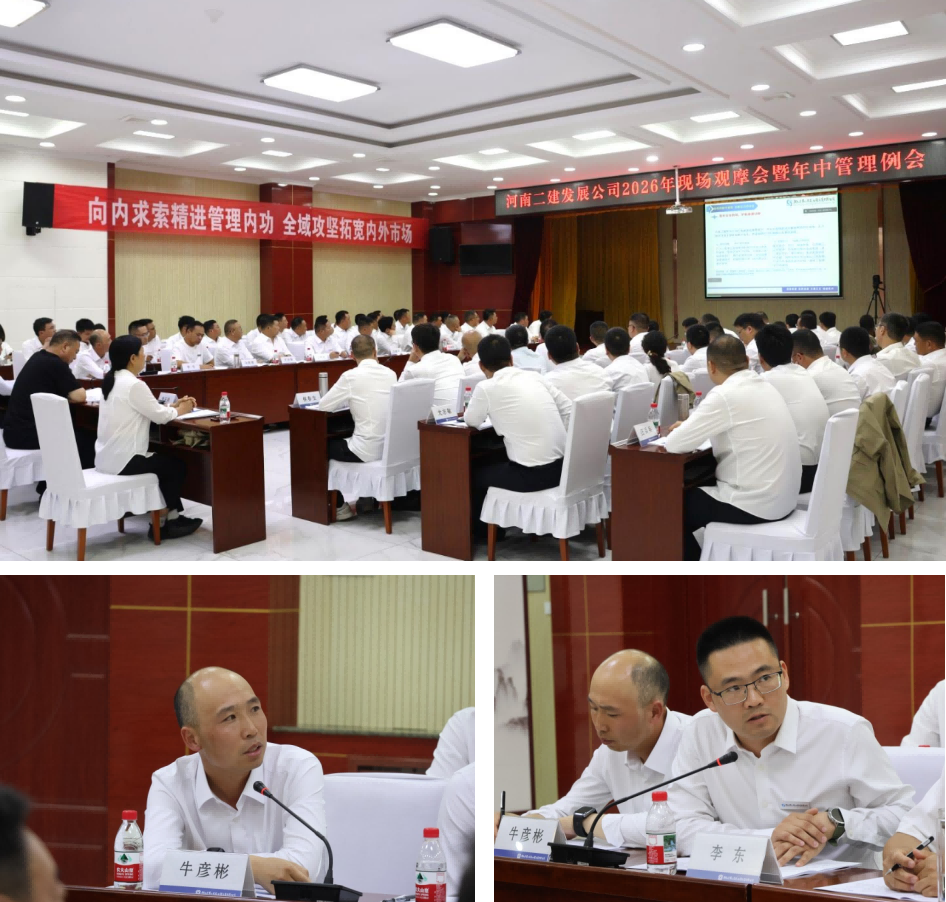
Subsequently, the heads of various corporate departments reviewed the outcomes of all initiatives undertaken during the first half of the year within the scope of their respective responsibilities and presented their key follow-up implementation plans. Deputy General Managers Ma Tianwei and Li Yuping then successively outlined work arrangements, provided a comprehensive summary of the operational and management achievements achieved in the first half of the year, conducted an in-depth analysis of the pain points and weaknesses in current management practices, and clearly defined the implementation measures for key tasks for the second half of the year—including quality and safety management, contract compliance control, market expansion, and cost reduction and efficiency improvement.
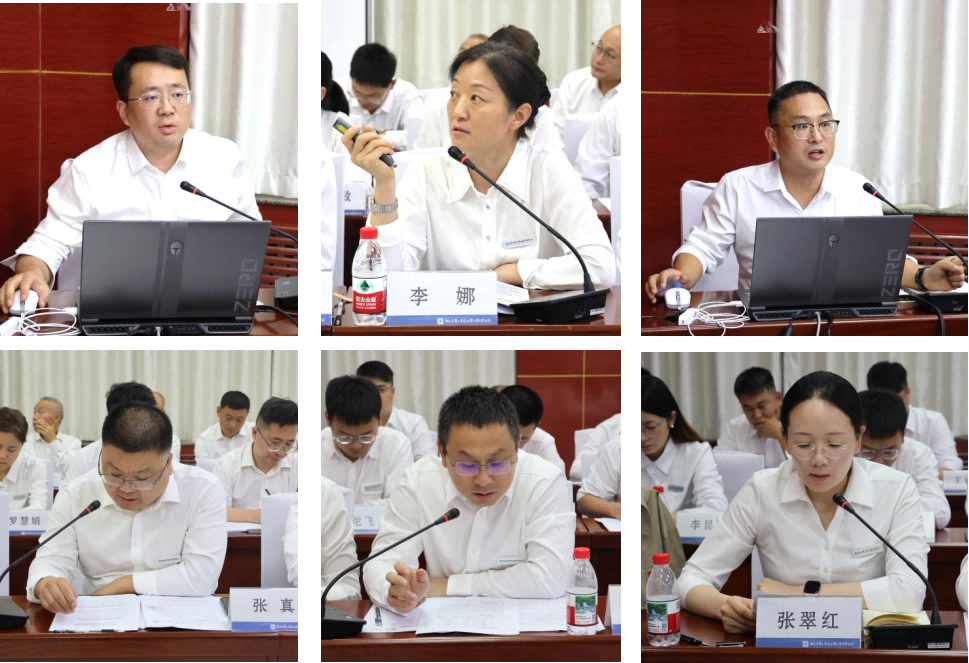
Department heads across all government agencies emphasized core management tasks.
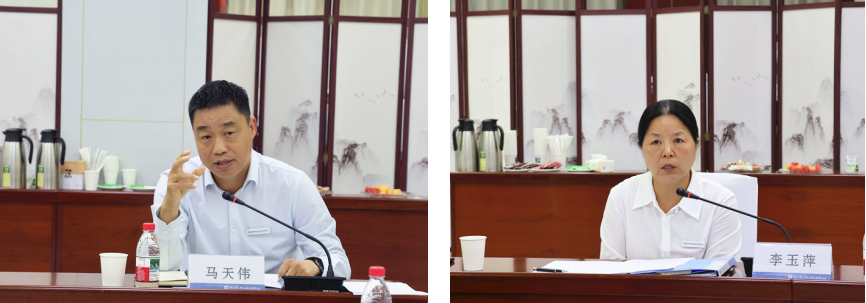
Deputy General Manager Ma Tianwei issued management directives Deputy General Manager Li Yuping issued management directives.
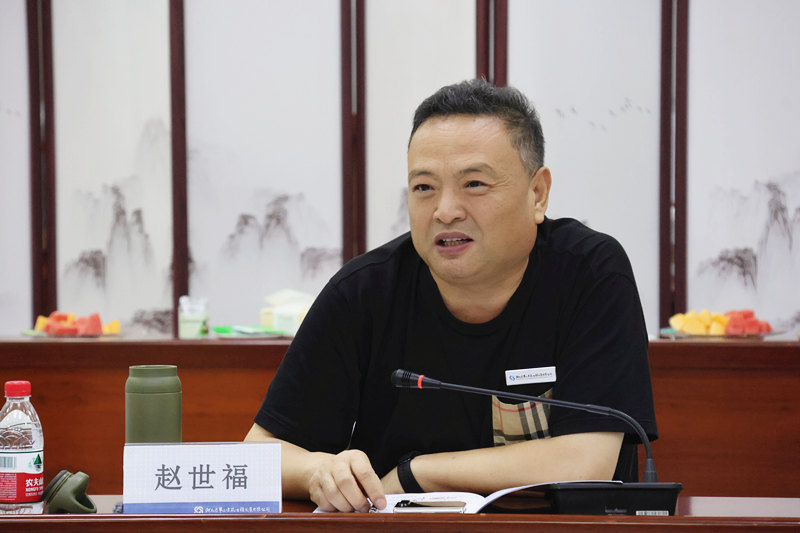
Finally, Chairman Zhao Shifu delivered a concluding speech. He fully acknowledged the successful implementation of the Gansu Energy and Chemical Industry Qingyang Project, noting that the project had excelled comprehensively across all aspects—including safety, quality, and civilized construction practices—and that its tangible quality had received unanimous praise from the client, the general contractor, and all relevant parties. He emphasized that the project had already taken shape as a model high-quality engineering project and served as a benchmark for the company's thermal power civil engineering operations. He urged all projects to thoroughly study the dynamic management approach adopted for the Qingyang Project, viewing robust physical infrastructure as the foundation for building a strong brand and earning respect, and to prepare detailed final account planning and profit optimization measures in advance. Additionally, he highlighted the Tacheng Wind Power Project as a positive example, commending the team's pragmatic approach—characterized by resilience in overcoming challenges and unity in collaboration—and encouraged management personnel to enhance their professional development and fully leverage both individual and collective expertise in project management.
He provided an objective update on the company's operating performance for the first half of the year, directly addressed the shortfall in operational targets, and, in response to the increasingly competitive external environment within the power construction sector, announced that the company would strategically expand its presence across multiple business segments—including thermal power, wind power, and overseas markets—striving to meet its annual operational targets and solidify the foundation for the company's sustainable growth.
He emphasized that project managers must shoulder primary responsibility and maintain strict control over core materials—such as concrete—and critical construction processes; all mid-level managers and key project leadership personnel should proactively align their practices with the company's management systems, diligently manage quality, safety, schedule, civilized construction, and team building, engage in continuous self-reflection and improvement, and abandon any mindset of complacency. Management personnel should strengthen their self-discipline, break free from entrenched thinking patterns, and iteratively refine their management systems through real-world project implementation. He encouraged all staff to unite as one, translate the insights gained from this meeting into tangible actions, and make every effort to achieve all annual project objectives and tasks.
Regarding the upcoming compensation reform at the company, Zhao Shifu explained that the focus is on establishing a clear alignment between effort and reward, ensuring that those who deliver tangible results receive appropriate incentives, effectively leveraging the guiding role of compensation, energizing the workforce, and supporting the company's long-term development.
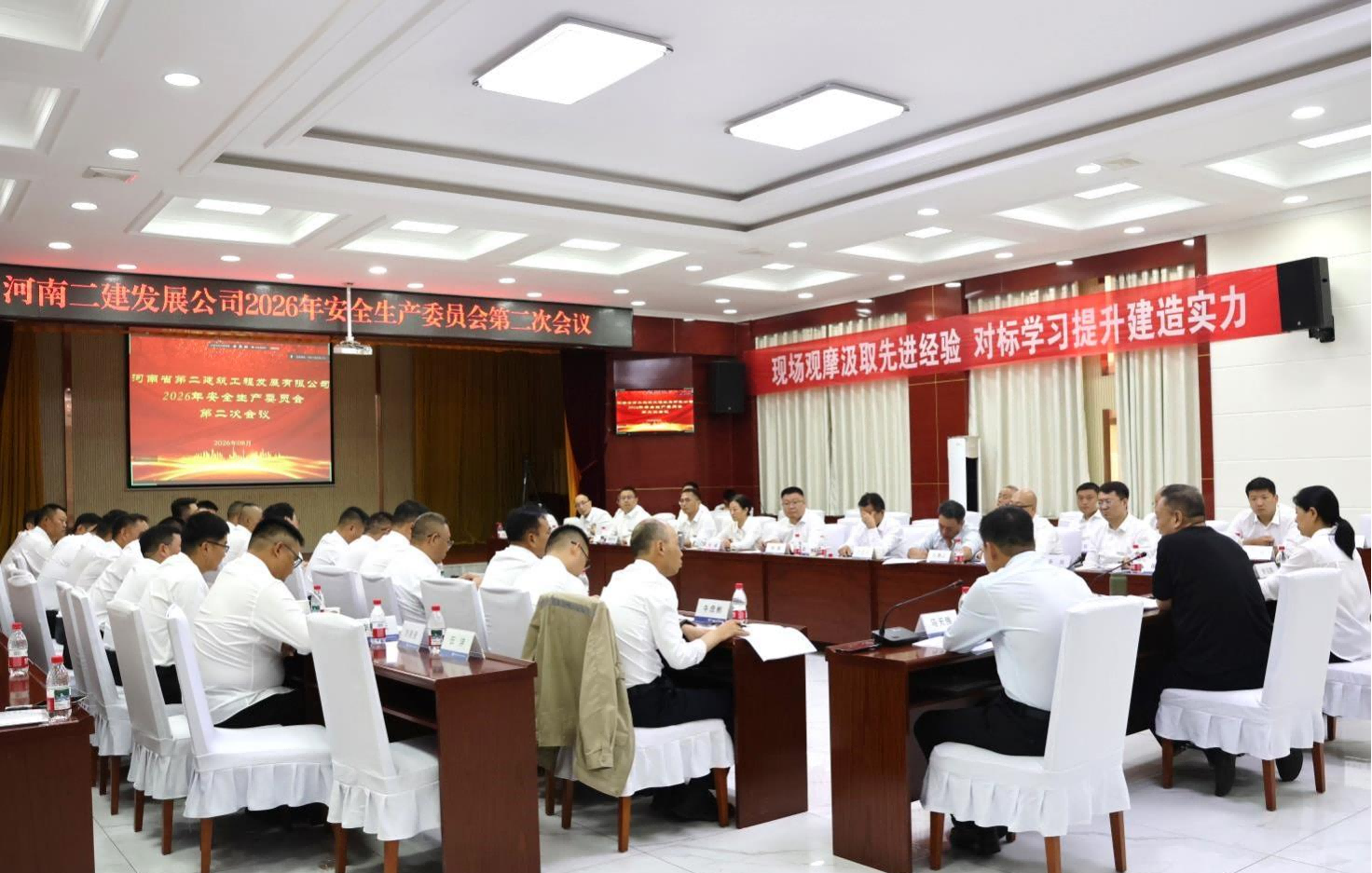
Second Meeting of the 2026 Work Safety Committee
Following the completion of project site visits, mid-year management seminars, and work deployment sessions, the company convened the second meeting of its 2026 Work Safety Committee. At this meeting, the Work Safety Management Center reported on the overall safety management status for the first half of 2026, analyzed the data regarding work-related injuries and accidental incidents occurring during this period, presented an accident case study collection, and reviewed the implementation data from the morning shift meetings; the company also disseminated the Criteria for Identifying Major Safety Hazards in Power Projects and the List of Newly Implemented Specifications, while simultaneously announcing the assigned groupings of safety officers for projects currently under construction. Through the analysis of typical case studies, the company conducted warning and education sessions, highlighting key safety risks associated with critical phases such as the flood season, major hazardous engineering works, and the operation of large-scale mechanical equipment. Subsequently, three project managers shared their on-site safety management and control experiences based on their respective project realities. Ma Tianwei, Deputy Director of the Work Safety Committee, issued management and control directives focusing on reinforcing safety responsibilities, deepening the rectification of safety hazards, strengthening subcontracting management, and ensuring the effective implementation of safety education and training programs.
Chairman Zhao Shifu delivered a concluding speech, emphasizing the need to firmly establish a strong safety red-line awareness, reinforce the primary responsibility of project managers, draw upon the management experience of benchmark projects, strictly implement on-site risk prevention and control measures, improve the closed-loop hazard management mechanism, and resolutely safeguard the baseline for workplace safety.
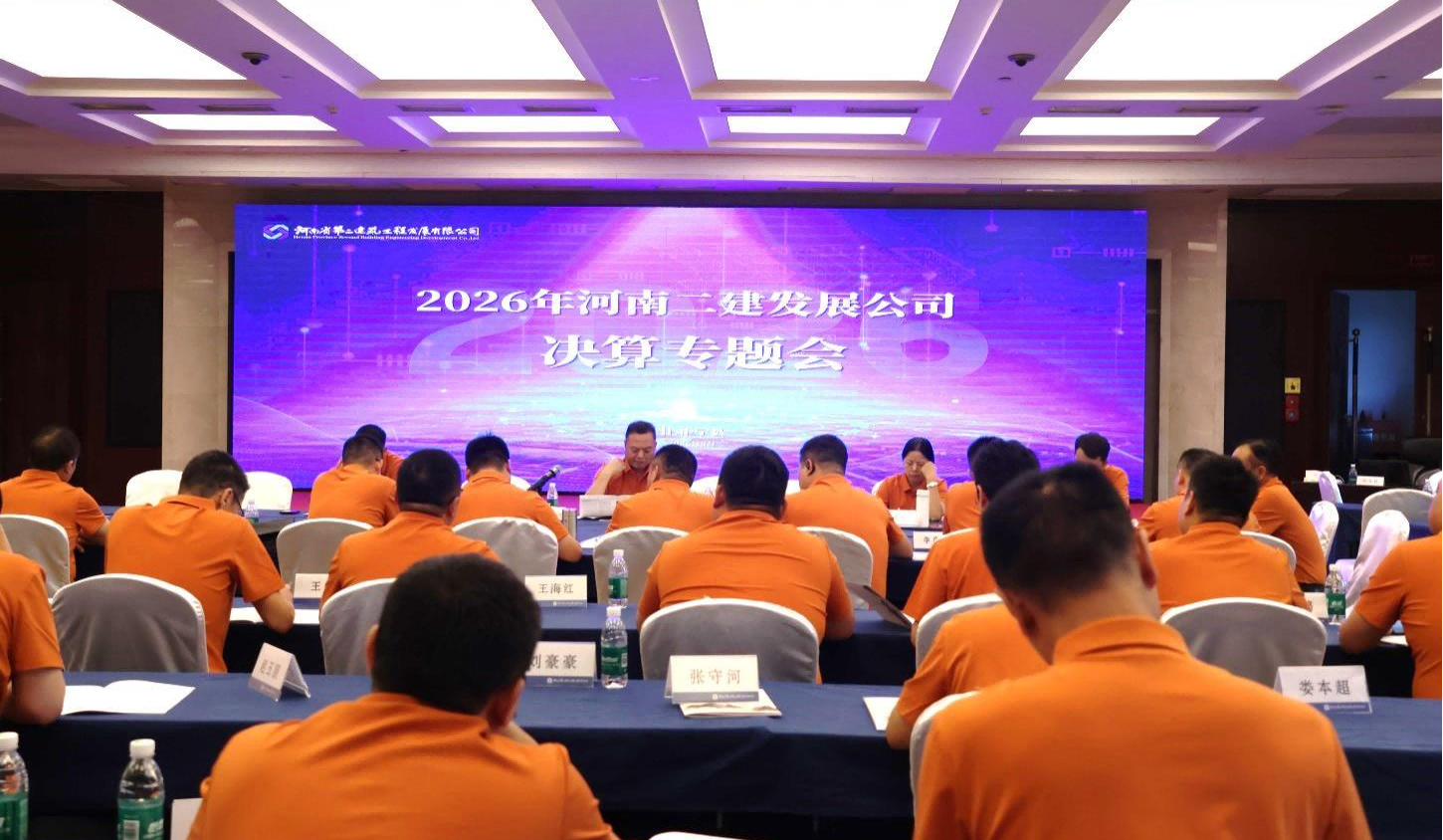
Final Accounts Special Meeting
The meeting also concurrently organized a special seminar on project final accounting. Participants engaged in discussions and exchanges focusing on key areas such as full-process project operational management and control, final accounting planning, change order management, and cost-benefit post-project review; they identified the current challenges encountered in the final accounting process for completed projects, unified operational standards, and defined clear implementation timelines. The meeting emphasized the need to adopt a "full lifecycle value creation" approach, proactively plan all final accounting-related tasks, implement rigorous closed-loop management of process documentation, and employ a variety of measures to facilitate the effective completion of final accounting procedures; by leveraging meticulous operational management and control, the company can safeguard project profitability and continuously enhance its overall profitability.
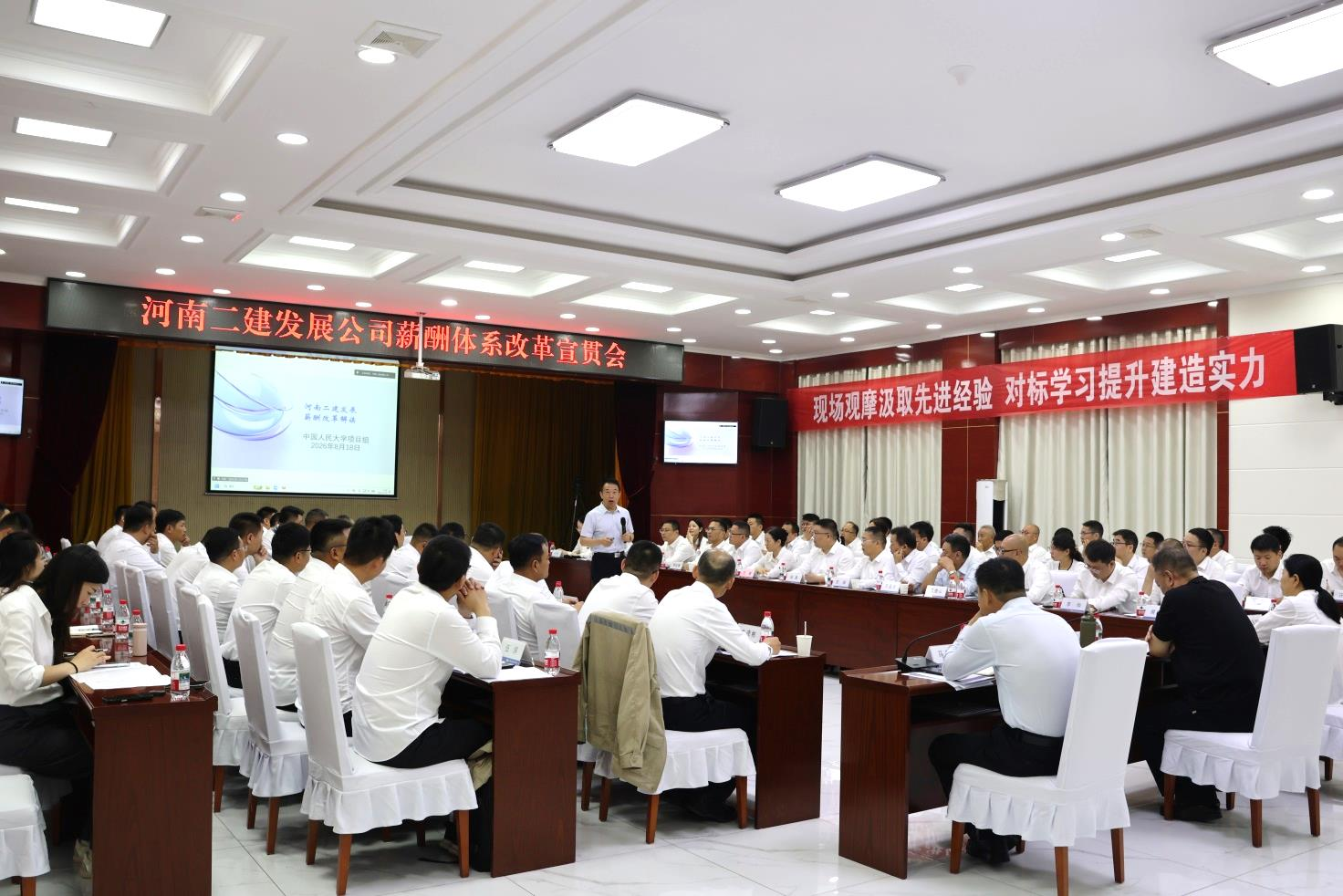
Compensation Reform Implementation Meeting
This conference also invited Professor Sun Jianmin from Renmin University of China to conduct a specialized training session on compensation system reform. Professor Sun Jianmin provided detailed explanations regarding the design approach and distribution orientation of compensation reforms, clearly elucidating that these reforms aim to strengthen the alignment mechanism between effort and reward, ensuring that those who demonstrate tangible dedication and responsibility receive appropriate incentives. This initiative encourages all managers to proactively align their practices with the company's management requirements, reinforce their sense of accountability, and grow in tandem with the organization.

 WeChat